
We identify, empower, and connect the next generation of energy and climate leaders to act on the Dual Challenge. We’re not just preparing leaders for the future, we’re mobilizing a community to drive real-world impact, now and in the future.
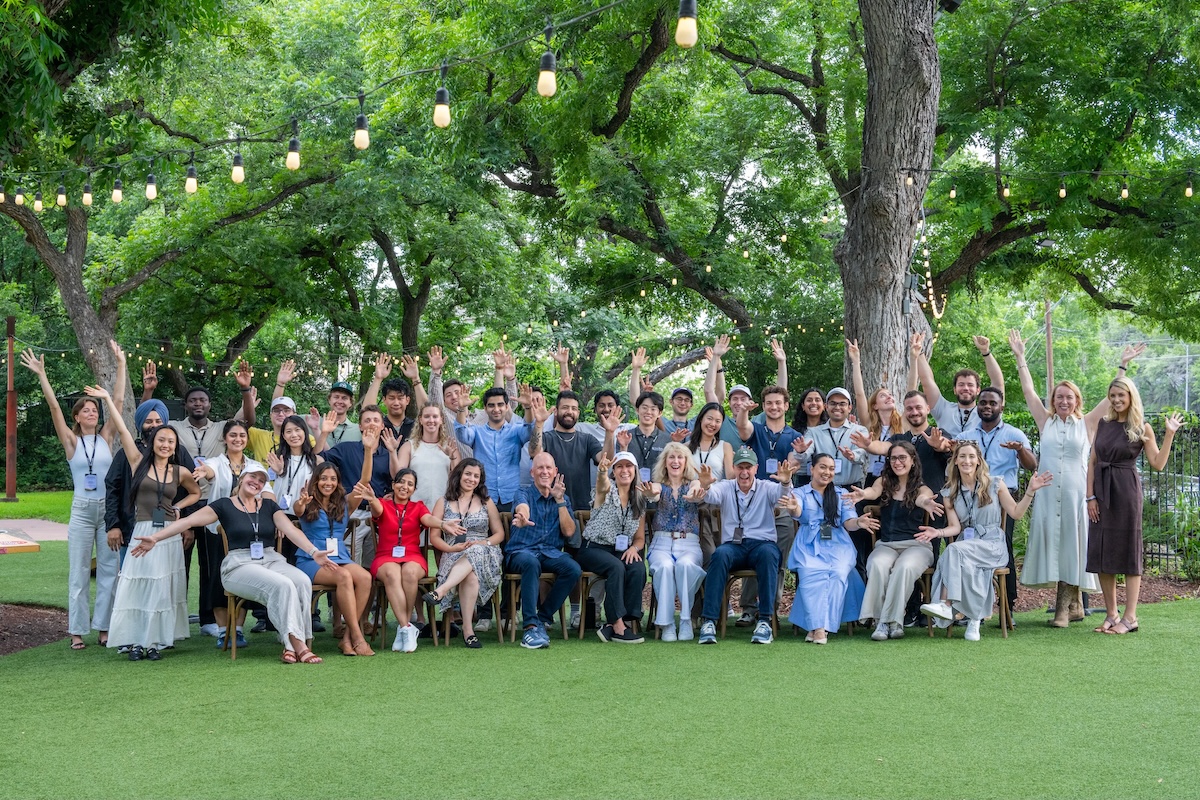






















Through NextGen, emerging leaders don’t just participate, they lead, connect, and build the systems that drive measurable progress.

Identifies breakthrough pathways to significantly lower CCUS costs.

Evaluates demand and pricing for geothermal energy storage solutions.

Explores solutions for tracking and verifying methane emissions across supply chains.


Develops a roadmap to scale battery-enabled HVAC systems.

Identifies barriers and solutions to scale advanced nuclear deployment.

Builds a global scorecard to track energy and emissions progress.
Evaluates the impact of deploying CCUS on U.S. gas-fired power plants.

Identifies priority customer segments for DAC and models climate impact at scale.

Explores incentives for smaller operators to reduce methane emissions.
Assesses risks to coal phaseouts and pathways to alternative energy sources.

Analyzes how AI-driven demand reshapes the grid and renewable capacity needs.

Quantifies how grid upgrades unlock capacity and reduce emissions.

Apply to NextGen
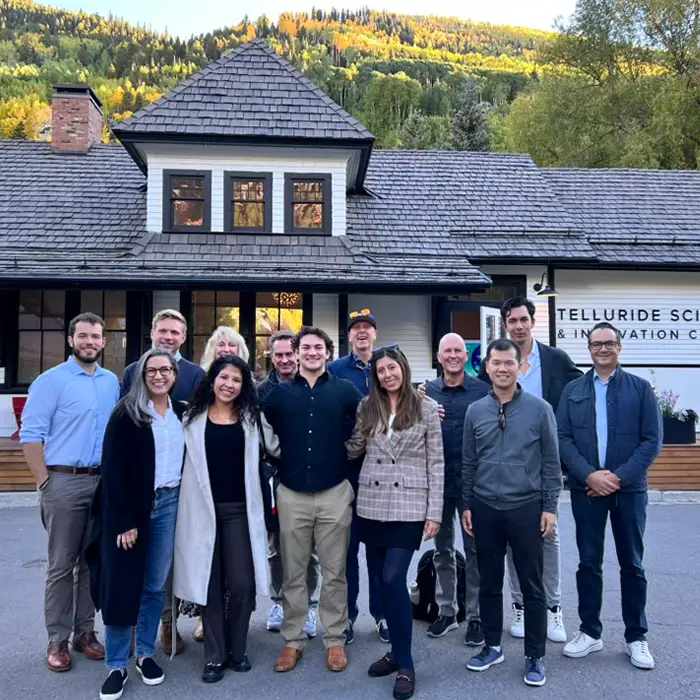
Each year, we open applications for the next generation of energy and climate leaders.

3-day immersive bootcamp with peers, experts, and policymakers
Hands-on leadership through real-world, cross-functional projects
1:1 mentorship from leading energy and climate experts
Lifelong community driving action on the Dual Challenge
Access to a network across industry, policy, and top universities


NextGen Network

Stanford University, NG26
Atmosphere / Energy, Civil & Environmental Engineering

Columbia University, NG26
International Affairs

Stanford University, NG26
Energy Science & Engineering

Texas A&M University, NG26
Chemical Engineering

Massachusetts Institute of Technology, NG26
Materials Science & Engineering

Texas A&M University, NG26
Materials Science & Engineering

Rice University, NG26
Business

Harvard University, NG26
Business

Vanderbilt University, NG26
Political Science

Arizona State University, NG26
Electrical Engineering

Harvard University, NG26
Engineering Sciences

University of California, Berkeley, NG26
Business

Massachusetts Institute of Technology, NG26
Business

Columbia University, NG26
Climate, Energy & Environment

Harvard University, NG26
Business

University of Michigan, NG26
Business

Harvard University, NG26
Business

Harvard University, NG26
Business

Stanford University, NG26
Energy Science & Engineering
Harvard University, NG26
Business

Princeton University, NG26
Science, Tech & Environmental Policy

University of Calgary, NG26
Sustainable Energy Development

University of Chicago, NG26
Energy & Environmental Policy

Stanford University, NG26
Mechanical Engineering

Northwestern University, NG26
JD-Business

Harvard University, NG26
Energy Science

Arizona State University, NG26
Systems Engineering

Arizona State University, NG26
Human & Social Dimensions of Science & Technology

University of Texas at Austin, NG26
Energy & Earth Resources

Columbia University, NG26
Climate, Energy & Environment

Massachusetts Institute of Technology, NG26
Mechanical Engineering

Massachusetts Institute of Technology, NG26
Business

Texas A&M University, NG25
Petroleum Engineering

Harvard University, NG25
Urban Planning

Washington University, NG25
Atmospheric and Climate Science

University of Texas, NG25
Computational Nuclear Engineering

Rice University, NG25
Chemical Engineering

Columbia University, NG25
Climate, Energy and Environment

Arizona State University, NG25
Systems Engineering

Harvard University, NG25
Sustainability

Stanford University, NG25
Sustainability

California Institute of Technology, NG25
Computational and Mathematical Sciences

Stanford University, NG25
Environment & Resources

Stanford University, NG25
Energy Science and Engineering

Columbia University, NG25
Sustainability Management

Massachusetts Institute of Technology, NG25
Venture Capital: Climate & Deep Tech

Tecnológico de Monterrey, NG25
Applied Economics

Arizona State University, NG25
Sustainable Energy

University of Michigan, NG25
Environment & Sustainability

Washington University, NG25
Mechanical Engineering

Massachusetts Institute of Technology, NG25
Electrical Engineering and Computer Science

Texas A&M University, NG25
Chemical Engineering

Massachusetts Institute of Technology, NG25
Entrepreneurship

University of Michigan, NG25
Energy Systems Engineering, Sustainable Systems

Stanford University, NG25
Chemical Engineering

Harvard University, NG25
Grid Resilience

Stanford University, NG25
Environment & Resources

Vanderbilt University, NG25
Electrical & Computer Engineering

University of Michigan, NG25
Sustainability

Vanderbilt University, NG25
Mechanical Engineering

University of Calgary, NG25
Data Center Policy

University of Texas, NG25
Chemical Engineering

Stanford University, NG25
Earth & Planetary Sciences

Stanford University, NG25

Stanford University, NG24
Environmental Resources

Stanford University, NG24
Environment & Resources

University of Michigan, NG24
Sustainable Systems

Harvard University, NG24
Biomedical Science

University of Potsdam, NG24
Political Science, Environmental Policy

University of Texas, NG24
Policy

California Institute of Technology, NG24
Energy Storage

Stanford University, NG24
Chemical Engineering
Massachusetts Institute of Technology, NG24
Entrepreneurship

University of Texas, NG24
Electrical & Computer Engineering

Harvard University, NG24
Electrical & Computer Engineering

Stanford University, NG24
Environmental Engineering

Columbia University, NG24
Sustainability Management

Harvard University, NG24
Applied Economics

Stanford University, NG24
Environment & Resources

University of Michigan, NG24
Sustainability

Stanford University, NG24
Electric Vehicles

University of Michigan, NG24
Computer Science

Columbia University, NG24
Sustainability Management

Stanford University, NG24
Materials Science & Engineering

Washington University, NG24
Earth and Space Sciences & Astrobiology

Columbia University, NG24
Materials Science & Engineering

Massachusetts Institute of Technology, NG24
Sustainable Fuels

Massachusetts Institute of Technology, NG24
Energy & Climate Technology

Arizona State University, NG24
Sustainable Energy

Stanford University, NG24
Earth & Planetary Sciences

Texas A&M University, NG24
Petroleum Engineering

University of Michigan, NG24
Climate Science & Engineering

Harvard University, NG24
Sustainability ALM

NextGen Director

NextGen Steering Committee Chair & Executive Director, Fellows Program at Northwestern

Managing Director, Stanford Center for Fuels of the Future

Energy and Natural Resources Director, School of Public Policy at University of Calgary

Managing Director, Head of Stewardship & Impact at Silver Lake

Managing Director and Head of ESG at Quantum Capital Group

CEO, Greentown Labs

Executive Director, Programs, Resnick Sustainability Institute at California Institute of Technology

Former Chair and Co-founder, NextGen Program & Advisory and Partner, Bain & Company

Global Fellow, Center on Global Energy Policy, Columbia University

CEO and Co-Founder at Mainspring Energy

Managing Director, Activate

CEO & Founder of Energy Dialogues

Entrepreneur in Residence MIT Martin Trust Center for Entrepreneurship

Vice President and Chief Environment, Quality & Safety Officer at Northrop Grumman

Chairman, TEX-E

Michigan MEng/MS, NG25

PhD ChemE, Rice University, NG25
Founder GrowthFactor, MBA MIT, NG24

Senior Associate Scion Capital Partners, Stanford MBA/MS, NG24
FAQ
Everything you need to know about joining or supporting NextGen.
Who should apply to NextGen?

NextGen is designed for high-potential graduate students and emerging leaders from top universities and diverse disciplines, who are committed to solving energy and climate challenges. The program brings together individuals with technical, policy, business, and scientific backgrounds to collaborate on practical solutions.
What do NextGen leaders do in their Launch Year?
NextGen leaders work in small teams on real-world projects with OpenMinds company executive experts that address top challenges in energy and climate. NextGeners also participate in leadership and skills development training, network with OpenMinds companies and fellow NextGeners from different cohorts, and engage in partner programs and events.
What kind of support do NextGen leaders receive?
NextGen leaders receive mentorship, exposure to senior leaders across industry, policy, and academia, and access to a highly engaged network of experts. The program also provides structured training, collaboration opportunities, and real-world project experience. Boot Camp travel expenses are covered for next launch year NextGener.
How does NextGen connect to the broader network of OpenMinds?
NextGen is one of OpenMinds’ core impact pillars. NextGen leaders contribute directly to real initiatives that are sponsored by OpenMinds companies and develop relationships with executives and experts in our ecosystem. NextGeners’ voices and impact are heard and seen throughout OpenMinds’ communications and social media.


.svg)

.svg)


